Discovering Possibilities: A Complete Overview to Small Business Financing
The landscape of small business funding brings both hurdles and possibilities for aspiring business leaders. Identifying capital needs is crucial before examining different avenues like conventional loans, grants, and investor partnerships. Every option carries unique qualification criteria and procedures. A carefully crafted business strategy can considerably strengthen the prospects of acquiring funding assistance. However, numerous entrepreneurs neglect critical elements that could open up their potential. What are these critical factors, and how can business owners skillfully maneuver through this intricate environment?

Assessing Your Funding Needs for Small Business
What is the best way for a small business to identify its funding needs? To determine funding necessities, a company should initially perform a comprehensive review of its operating expenses, including fixed costs alongside variable expenses. This review needs to cover preliminary startup expenses, inventory, tools and equipment, and recurring costs such as payroll, rent, and utilities.
Next, forecasting revenue for a minimum of the first year allows businesses to identify potential cash flow shortfalls. Enterprises should furthermore assess their growth strategy, analyzing how much investment is needed to grow operations or access new markets.
Moreover, performing a break-even assessment can determine the minimum revenue required to meet operational costs, giving a clearer picture of how much investment will be essential to become profitable. By combining these assessments, business proprietors can create a well-defined funding framework, empowering them to engage with funding sources with well-documented and justifiable financial demands.
Exploring Conventional Loan Choices for Startups
Standard loan programs give startups with fundamental financing options. Comprehending the multiple types of lending options, their eligibility requirements, and the loan process is vital for entrepreneurs looking for monetary backing. This summary will outline the primary aspects necessary for navigating conventional lending channels.
Kinds Of Traditional Loans
Managing the world of small business capital can be overwhelming, especially for startups exploring traditional loan alternatives. Traditional loans primarily include term loans, which offer a lump sum that is paid back over a set duration, typically designated for major purchases. Another common category is the Small Business Administration (SBA) loan, designed to support small businesses with favorable terms and lower interest rates. Additionally, equipment financing allows startups to obtain necessary machinery while using the equipment itself as collateral. Furthermore, lines of credit offer flexibility, empowering businesses to borrow funds as needed up to a specified limit. Each loan type presents unique benefits, making it important for startups to assess their specific needs and financial circumstances before making a decision.
Understanding Eligibility Requirements
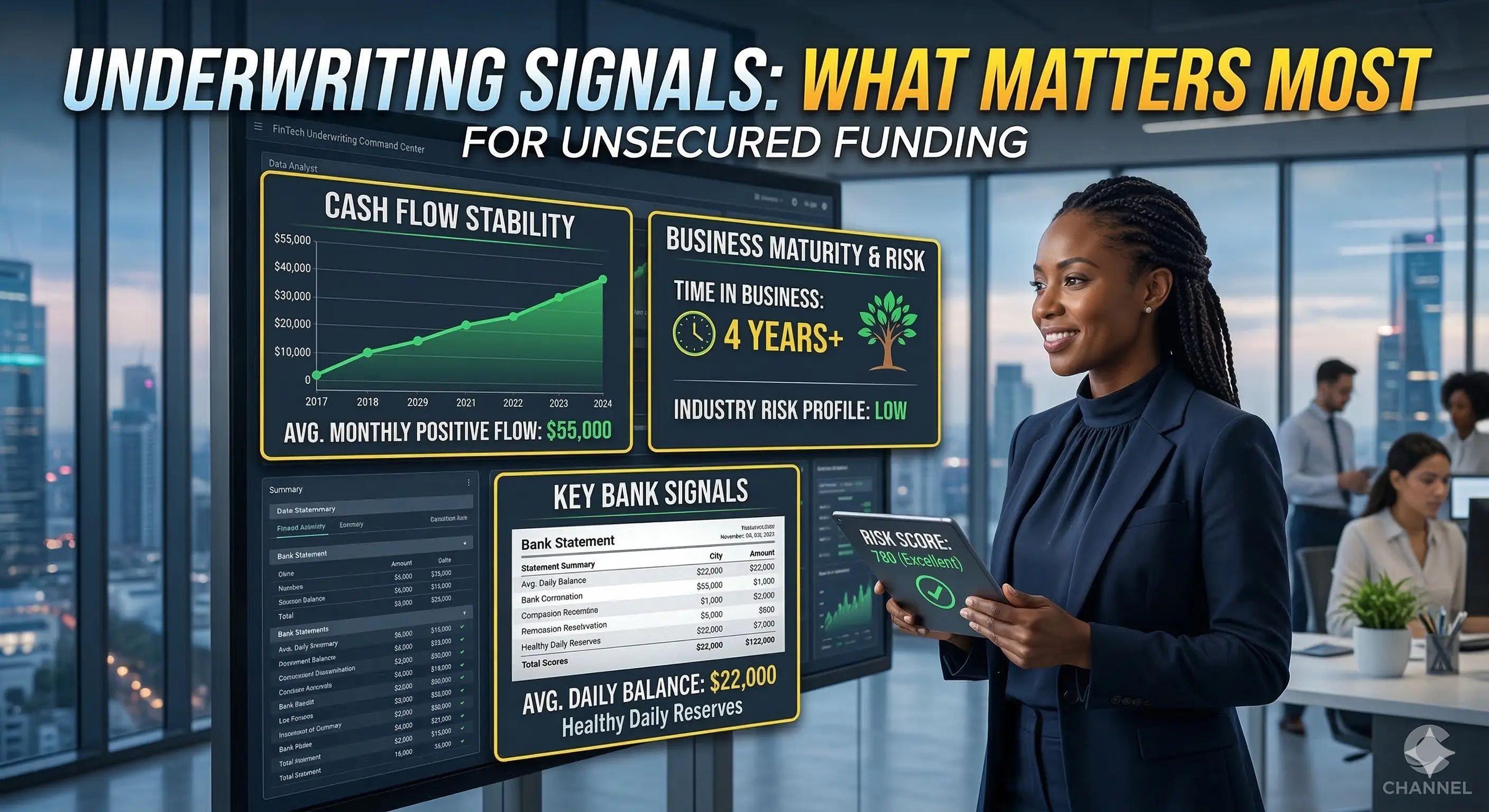
Understanding eligibility requirements is vital for new businesses seeking conventional financing, as these criteria can significantly impact their likelihood of obtaining financing. Generally, loan providers evaluate several elements, including credit rating, business plan viability, and cash flow projections. A robust credit record frequently strengthens a emerging company's credibility, while a thoroughly developed operational plan highlights potential for profitability. Furthermore, financial institutions may request security to minimize lending risk. Emerging companies should also factor in the length of time in business, as numerous standard lending programs prefer established enterprises over recently launched businesses. Other criteria may include the nature of the industry and personal assurances from business owners. By carefully reviewing these expectations, emerging companies can more effectively prepare to fulfill financing requirements and improve their funding prospects.
Application Process Overview
Maneuvering the application process for funding can be an intimidating task for numerous startups. Understanding the steps involved is essential for obtaining financing. To begin, startups must collect necessary documentation, including detailed business plans, financial reports, and individual credit histories. Following this, they should find eligible lenders, which may include commercial banks, credit cooperatives, or non-traditional financing options. Each lender has unique requirements, so tailoring applications to meet these specifics is essential. After submitting the application, startups should expect a thorough review process, which may involve interviews or additional documentation requests. Lastly, if successful, comprehending the loan agreement details is imperative before agreeing to the terms, ensuring that startups reach well-considered decisions about their fiscal responsibilities.
Uncovering Grants and Competitions for Small Business Funding
How can small businesses tap into the wide range of competitions and grants to secure funding? Funding opportunities like grants and contests deliver unique financial opportunities that can significantly support new ventures and seasoned companies alike. Various government agencies, nonprofit organizations, and private foundations provide grants aimed at specific industries, demographics, or innovative projects. Such funds generally require no repayment, which makes them extremely appealing.
Contests, by contrast, often involve presenting business concepts to evaluators for cash prizes or investment proposals. They additionally deliver valuable exposure and industry relationships. Small businesses should actively research regional, statewide, and national financial opportunities and competitions, paying close attention to eligibility criteria and deadlines. Resources such as official government platforms, entrepreneurial incubators, and professional associations can assist small businesses in finding relevant funding options. Through the careful use of these financial resources, small businesses can enhance their growth prospects and operational capabilities.
Mastering Crowdfunding Platforms for Your Business
Steering crowdfunding platforms requires careful consideration of both the most suitable platform and a captivating campaign message. Each platform offers unique characteristics and user bases, making the selection process vital for success. Furthermore, a carefully developed message can significantly influence the potential backers' readiness to back the business.
Selecting The Right Platform
What crowdfunding platform most effectively matches a business's objectives and target audience? Selecting the right platform requires careful consideration of various factors. Every crowdfunding platform provides distinct features, specific audiences, and varying fee arrangements. To illustrate, solutions like Kickstarter are well-suited for creative initiatives, while Indiegogo typically embraces a more diverse array of ventures. Organizations must consider their individual needs, from funding objectives and project types to audience interaction. Furthermore, studying thriving campaigns within comparable sectors can yield meaningful guidance. The network and assistance tools provided by the platform can equally contribute to attaining fundraising success. In the end, a thoughtfully researched decision can boost exposure and improve the chances of meeting financial targets while cultivating meaningful relationships with prospective supporters.
Crafting Your Campaign Message
Selecting the most suitable crowdfunding platform lays the groundwork for a thriving campaign, but the impact of a persuasive campaign message cannot be overlooked. A well-crafted message should resonate with potential backers, precisely conveying the company's mission and aims. It must evoke emotion, showing why the project holds significance and how it can positively affect the industry or community. Incorporating a personal narrative can strengthen appeal, making it simpler for backers to engage. Furthermore, succinctly outlining the funding needs and what backers will receive in return is critical. Visual elements, such as captivating photos or clips, can also amplify the message, drawing interest and promoting engagement. In the end, transparency and genuineness are indispensable in convincing potential supporters to invest in the project.
Deciding Between Angel Investors and Venture Capital?
When considering investment options, founders commonly debate how to differentiate between venture capital and angel investors. Angel funders generally provide their own personal capital, providing not only financial support but also professional guidance and valuable industry networks. They usually invest in earlier stages of a business, emphasizing the promise of growth and innovative ideas. By comparison, venture capital firms manage pooled funds and typically commit larger amounts of capital, commonly pursuing established enterprises with proven scalable operations. This type of funding usually comes with a more formal structure, encompassing thorough due diligence processes and a clear emphasis on exit strategies.
The decision between these two options largely relies on the founder's specific needs. For entrepreneurs looking for a personal engagement with guidance, angel investors could be the better choice. In contrast, if a company needs substantial funding for swift development, venture capital investment could be the better option. At the end of the day, understanding the implications of each funding source is crucial for making well-informed decisions.
How to Develop a Successful Business Plan for Funding
Crafting a successful business plan for capital acquisition is critical, as it acts as the framework for potential stakeholders to assess the viability and direction of a enterprise. A professionally developed plan typically includes an detailed introduction, outlining the core concept and market prospect. It should define the mission, vision, and unique selling propositions that separate the business from rival businesses.
In addition, in-depth market research is critical, providing knowledge into target demographics and market trends. Financial forecasts, including cash flow summaries and break-even evaluations, illustrate the enterprise's financial viability.
Additionally, a robust promotional strategy should clearly define how the company seeks to draw in and hold customers. Ultimately, management and execution plans are critical, showcasing the team's skills and the logistics of executing the core strategy. By thoughtfully constructing these sections, entrepreneurs can effectively communicate their objectives, improving the chances of obtaining investment.
Developing Strong Relationships With Investors
Obtaining funding is just the start; maintaining strong relationships with investors is essential for long-term success. Trust and open communication form the foundation of these relationships. Founders are encouraged to share frequent assessments of business development, showcasing milestones and addressing challenges transparently. This cultivates a spirit of collaboration and maintains investor interest.
Moreover, grasping investors' goals and matching them with the corporate vision discover the facts is crucial. By demonstrating how their capital contributions contribute to collective targets, founders can strengthen investor loyalty and support.
Furthermore, acknowledging investors' experience and welcoming their counsel can solidify connections. This not only reflects appreciation of their expertise but also motivates greater contribution in the organization's growth.
In the end, cultivating these connections can result in extra financing prospects, meaningful guidance, and a supportive network that can drive the business ahead. Taking an active stance on investor relations is not merely advantageous; it is a fundamental requirement for long-term success.
Common Questions and Answers
What Are the Typical Errors Made When Applying for Small Business Funding?
Typical missteps when pursuing small business funding encompass inadequate preparation of financial documents, failure to present a solid business plan, impractical funding expectations, not thoroughly investigating funding opportunities, and failing to adequately respond to lender concerns.
What Are the Best Ways to Boost My Credit Score for Improved Funding Options?
To boost a credit score for superior borrowing prospects, borrowers should ensure all bills are paid punctually, reduce debt-to-income ratios, dispute inaccuracies on credit reports, and abstain from establishing numerous new accounts all at once.
What Documents Are Commonly Required for Funding Applications?
Loan applications commonly call for paperwork including a business proposal, financial reports, tax filings, identification, and proof of income. These documents help lenders accurately determine the applicant's financial condition and repayment potential.
How Long Does the Funding Application Process Usually Take?
The funding application process typically takes anywhere from a few weeks to several months, based on the requirements of the lender, how complex the application is, and the thoroughness of the documentation submitted by the applicant.
What Can I Do if My Funding Application Is Turned Down?
In the event that a funding application is declined, the applicant should carefully examine the feedback provided, recognize opportunities for enhancement, consider alternative funding sources, enhance the quality of their proposal, and submit a new application with a better grasp of the requirements and expectations.